1
Step 1: The Fabric Creates a Comfortable Sleeping Surface
The first function of Miracle Sheets is to create a physical layer between the sleeper and the mattress. This layer can help protect the mattress from direct contact with everyday body oils, perspiration, and surface debris while providing a textile surface for sleeping.
The feel and performance of this layer depend on the fabric's composition, weave, weight, and finishing. Different textiles can offer different levels of softness, breathability, moisture handling, and durability. These characteristics influence how comfortable the sheets feel during everyday use.
Before purchasing Miracle Sheets, check the manufacturer's stated fabric composition. Do not assume that the sheets are made from cotton, bamboo-derived viscose, microfiber, or another specific material unless the product specifications confirm it. Knowing the actual material helps you understand how the bedding may feel and how it should be maintained.
2
Step 2: The Fabric May Incorporate Antimicrobial Technology
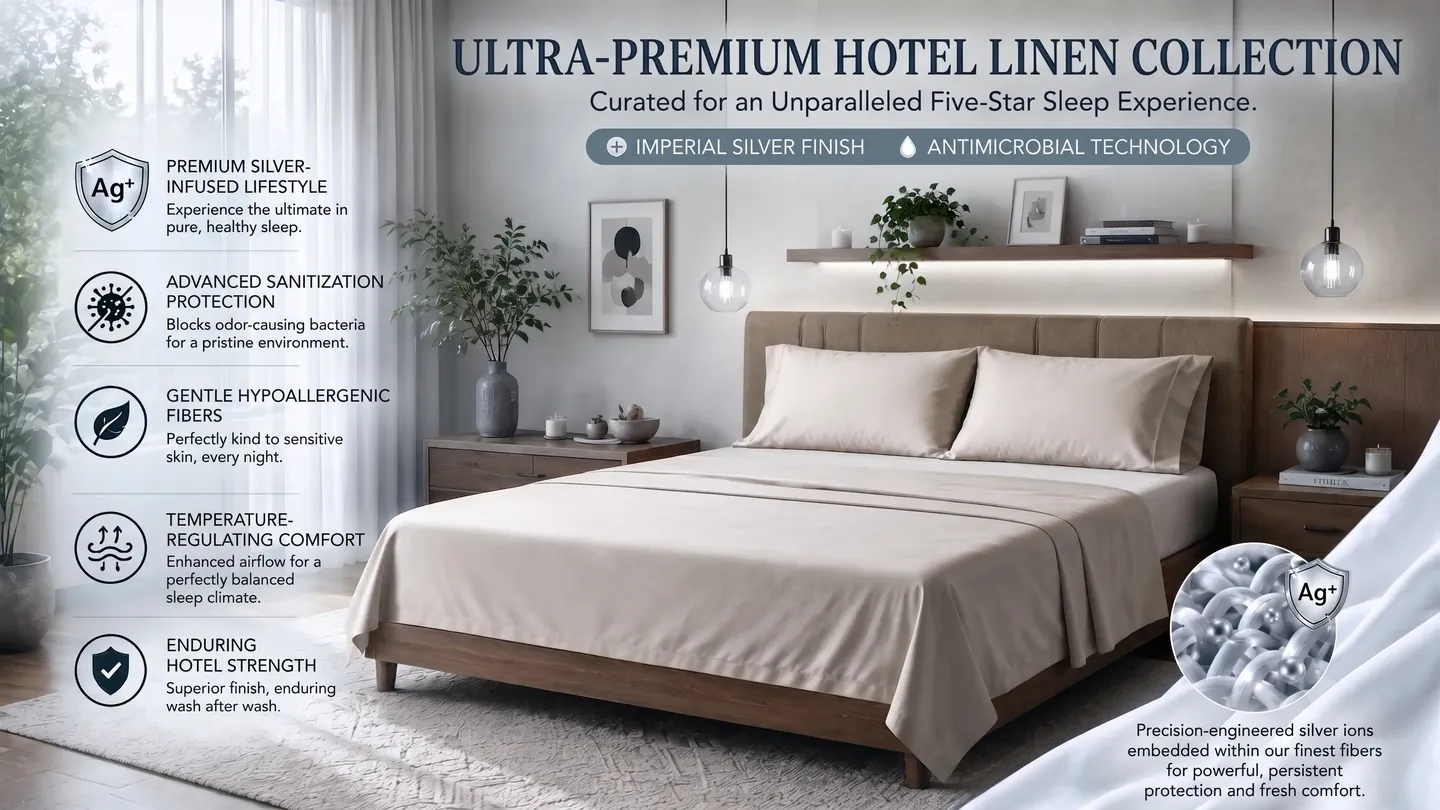
The main additional feature advertised for Miracle Sheets is antimicrobial fabric technology. In general, antimicrobial textiles are designed to inhibit the growth or activity of certain microorganisms under defined conditions.
Different manufacturing methods can be used to create these properties. Some textiles incorporate an antimicrobial agent into their fibers or material during production, while others receive a treatment applied to the fabric surface. The exact mechanism depends on the technology selected by the manufacturer.
For Miracle Sheets specifically, the actual treatment should be confirmed through the current product documentation. The term antimicrobial alone does not identify the active material, establish its concentration, or demonstrate how effectively it performs during everyday use.
What buyers should check: Look for a clear description of the treatment, the manufacturer's explanation of its purpose, and any relevant independent testing. These details are more informative than a general claim that the sheets help maintain freshness.
3
Step 3: The Treatment May Affect Certain Microorganisms
When an antimicrobial treatment has been shown to work, its intended function is to inhibit or otherwise affect particular microorganisms under specified conditions. The exact effect depends on the active technology, the organism being tested, the contact conditions, and the test method.
For example, a laboratory study may evaluate whether a treated textile reduces the growth of a particular bacterial species compared with an untreated sample. Such a result applies to the conditions of that test; it does not automatically establish the same outcome for every microorganism or situation encountered in a bedroom.
For shoppers considering Miracle Sheets, this distinction is important. A general antimicrobial claim should not be interpreted as proof that the sheets kill all germs, prevent infections, or remain completely free of microorganisms.
To understand the product's actual performance, look for test results that identify what was tested, how the results were measured, and what limitations apply.
4
Step 4: The Technology May Help Support Fabric Freshness
One reason shoppers consider antimicrobial bedding is the possibility of maintaining a fresher-feeling textile between washes. During regular use, bed sheets come into contact with perspiration, body oils, dead skin cells, and other everyday residues.
An antimicrobial treatment may affect certain microorganisms associated with textiles, depending on its design and demonstrated performance. However, it does not necessarily remove substances that accumulate on the fabric, and it cannot guarantee that the sheets will remain odor-free under all conditions.
The actual experience with Miracle Sheets may also depend on factors such as room humidity, sleeping habits, ventilation, the material itself, and how frequently the sheets are washed.
5
Step 5: Everyday Use Allows the Fabric to Perform Its Normal Function
Once the sheets are fitted to the mattress, they function as part of your regular sleeping environment. You sleep on the fabric, and it experiences the ordinary friction, movement, and contact associated with nightly use.
The comfort you experience will depend largely on the material and construction. Some people prefer smooth, lightweight bedding, while others prefer a crisp or more substantial texture. Temperature comfort also varies according to the fabric, room conditions, mattress, sleepwear, and individual preferences.
Although Miracle Sheets may be marketed around antimicrobial properties, those claims do not establish that every user will experience better sleep, reduced sweating, or a cooler sleeping surface. These outcomes should not be assumed without appropriate product-specific evidence.
If comfort is your priority, consider the fabric specifications alongside the advertised technology rather than judging the product on one feature alone.
6
Step 6: Regular Washing Removes Everyday Buildup
Even when sheets incorporate antimicrobial technology, regular laundering remains an essential part of their maintenance. Washing helps remove perspiration, body oils, skin particles, dust, and other material that accumulates during normal use.
Follow the washing and drying instructions provided by the manufacturer. Different fibers and textile treatments can respond differently to water temperature, detergents, bleach, fabric softeners, and drying conditions.
For Miracle Sheets, buyers should verify whether the manufacturer provides specific instructions for preserving the fabric and any antimicrobial treatment. Avoid assuming that a treatment will remain unchanged after unlimited washing unless the manufacturer provides credible supporting evidence.
A sensible maintenance routine includes changing the sheets regularly, washing them according to the care label, and inspecting the fabric for signs of wear.
7
Step 7: Repeated Washing and Daily Use Can Influence Performance
All bed sheets experience wear over time. Repeated laundering, friction, stretching, and exposure to cleaning products may affect the appearance, feel, and durability of the textile.
For antimicrobial bedding, an additional consideration is whether the treatment retains its intended activity after repeated washing. Some technologies may be designed to remain within the textile, while others may behave differently depending on how they are applied and maintained.
The durability of Miracle Sheets' advertised treatment should not be assumed without product-specific information. If the seller makes claims about long-lasting antimicrobial performance, look for evidence explaining how that performance was evaluated after laundering.
This information can help buyers assess the product's potential long-term value rather than focusing only on its initial features.
8
Step 8: Understand What the Technology Does Not Guarantee
It is equally important to understand the limitations of antimicrobial bedding. The presence of an antimicrobial treatment does not automatically mean a sheet is sterile, self-cleaning, hypoallergenic, or capable of preventing disease.
Similarly, antimicrobial activity does not establish that the product removes dust mites, eliminates all allergens, or improves a medical condition. These are separate claims that require appropriate evidence.
Miracle Sheets should therefore be considered bedding with advertised fabric technology rather than a replacement for routine cleaning, allergy-management practices, or medical advice.
A realistic understanding of these limitations helps you evaluate the product on its actual textile features and avoid expecting benefits that have not been demonstrated.
💡 Practical takeaway: Consider fabric freshness an advertised feature to evaluate, not a reason to stop changing or washing your bedding regularly.